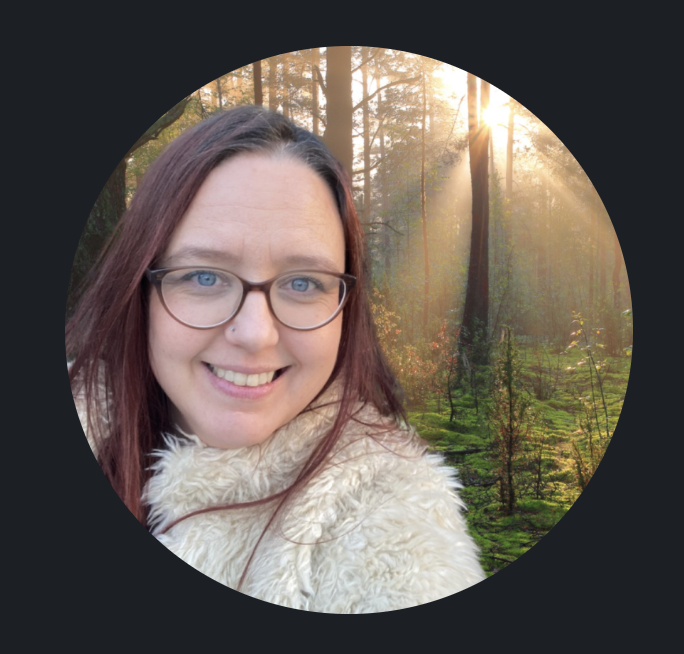
Helen Edgar (she/they)
Late-identified AuDHD (Autistic and ADHD) writer, educator and community facilitator
More Realms is where I gather my longer-form, academic-adjacent writing and theory, and where I explore the potential of more-than neurodiversity. My community-facing work, training and resources live on my sibling site, Autistic Realms, which I founded in 2022.
I am a parent to two neurodivergent children. For over twenty years I taught in Early Years and Primary settings near Birmingham in the UK, specialising in special educational needs and disabilities (SEND), including supporting pupils with profound and multiple learning disabilities (PMLD). Those years showed me how systems shape access, identity and wellbeing, and how unmet needs can lead to distress, physical and mental health challenges, and burnout. My first academic home was English Literature and History of Art, and that love of story, image and close reading still shapes how I think and write.
Jump to: what I think about · ethics and values · where I work · my latibulum · explore my work
what I think about
Much of my work grows from monotropism, the theory that Autistic attention tends to gather intensely around a smaller number of interests at any one time (Murray et al., 2005). I am drawn to bringing monotropism into practical, relational contexts: translating Autistic ways of thinking, sensing and attending into accessible tools that change how Autistic lives are understood and supported. I am particularly interested in what monotropism means for learning, rest, burnout and joy, and in how environments can be shaped around monotropic minds rather than the other way round.
Alongside monotropism I draw on the neurodiversity paradigm and neuroqueer theory (Walker, 2021), on ecosystemic understandings of distress developed with David Gray-Hammond, and on ideas of existential diversity and becoming that I explore through star stuff, queering earth and the wider existence. You can read more on the research and theory page.
ethics and values
My philosophy is relational and justice-oriented. I understand thriving not as an individual achievement but as a collective process rooted in safety. My aim is not only to challenge the systems that restrict neurodivergent lives, but to reshape understanding so that collective flourishing becomes possible on our own terms.
My work is grounded in the values of the neurodiversity movement and disability justice. I am committed to neurodiversity-affirming, rights-based practice, and I stand against behaviourist approaches. You can read my full ethics and values statement on Autistic Realms.
where I work
- Founder, Autistic Realms and More Realms
- Co-Creative Director, Stimpunks Foundation, alongside Ryan Boren
- Co-Director and Community Facilitator, NeuroHub Community, with David Gray-Hammond
- Content Researcher, Monotropism.org, with Fergus Murray
- Communications and Community Lead, Thriving Autistic
- Education, Training and Resource Specialist, GROVE Education UK
- Creative Community Lead, Writing the Dawn
I am also a proud member or affiliate of the Autistic Burnout Network, Cultural Autism Studies at Yale, the Neurodiversity Affirming Early Childhood Collective and Thriving Autistic Practitioners. The full picture, including advisory and research roles, is on collaborations.
my latibulum
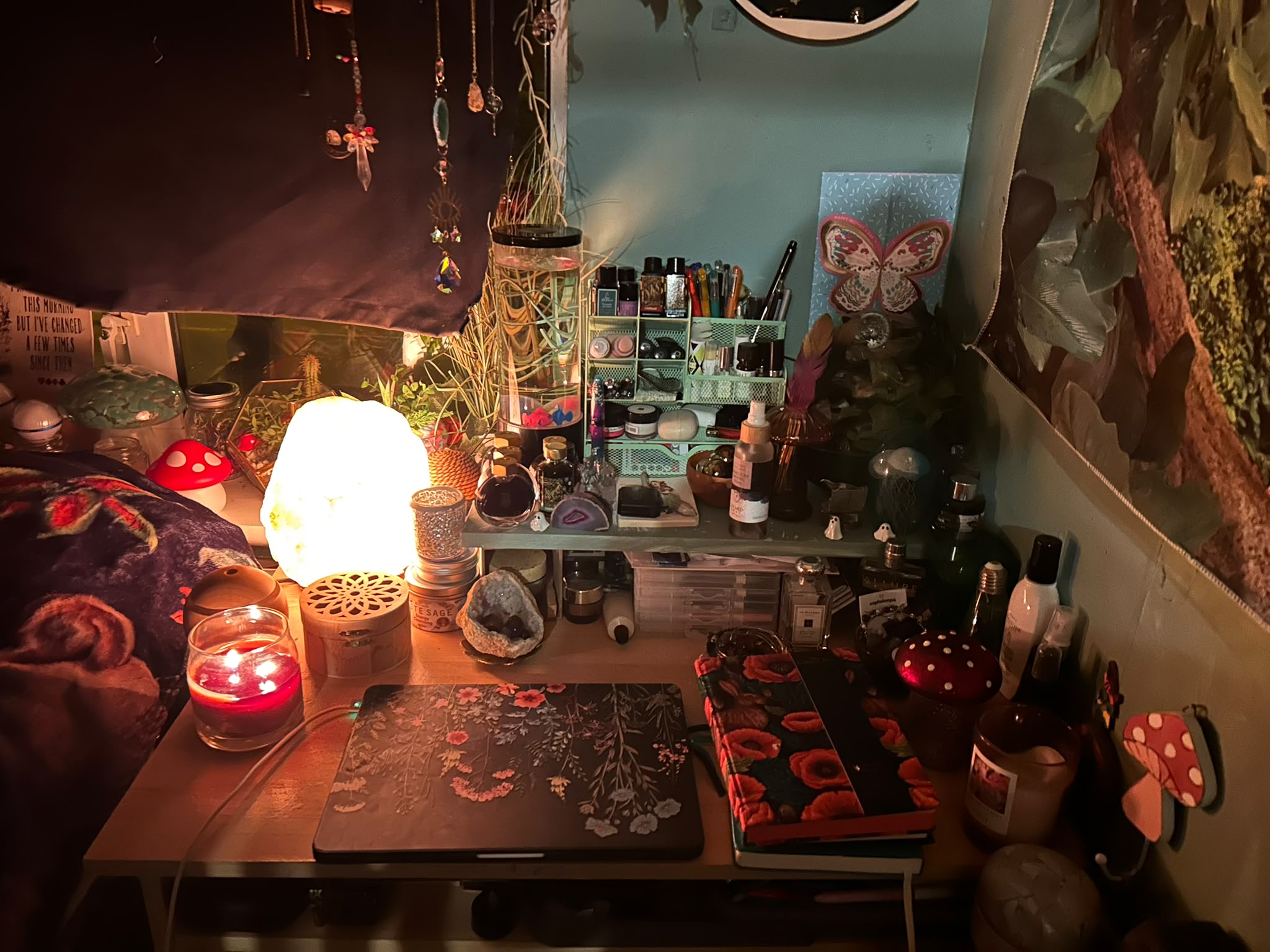
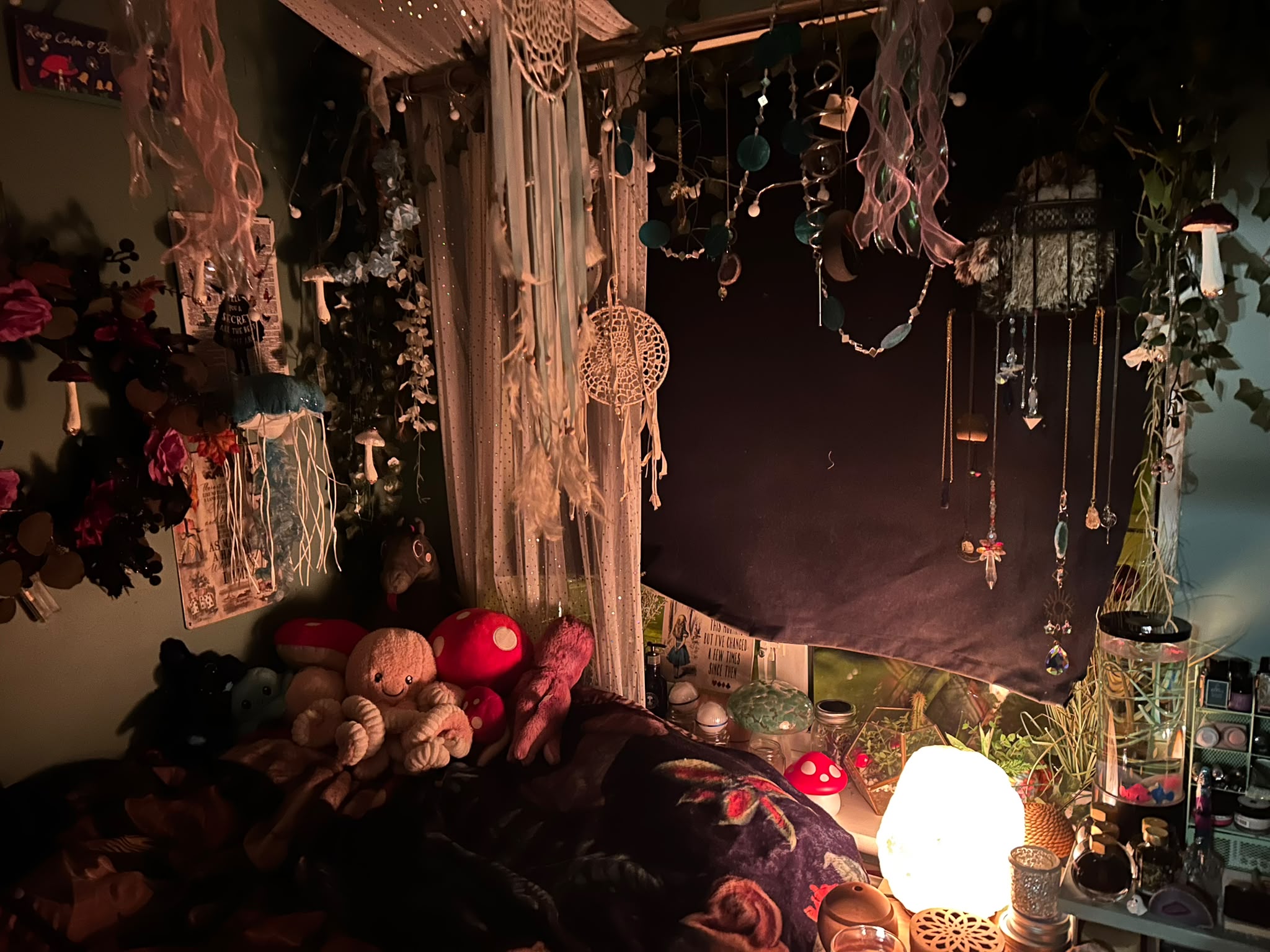
Latibulum is a Latin word for a hiding place, a den or a cosy retreat. Mine is a forest-themed room where most of my reading and writing happens, surrounded by books, candlelight, crystals, mushrooms and faery things. It is a space shaped around my own sensory needs and monotropic attention, and a small, lived example of the environments I write about.
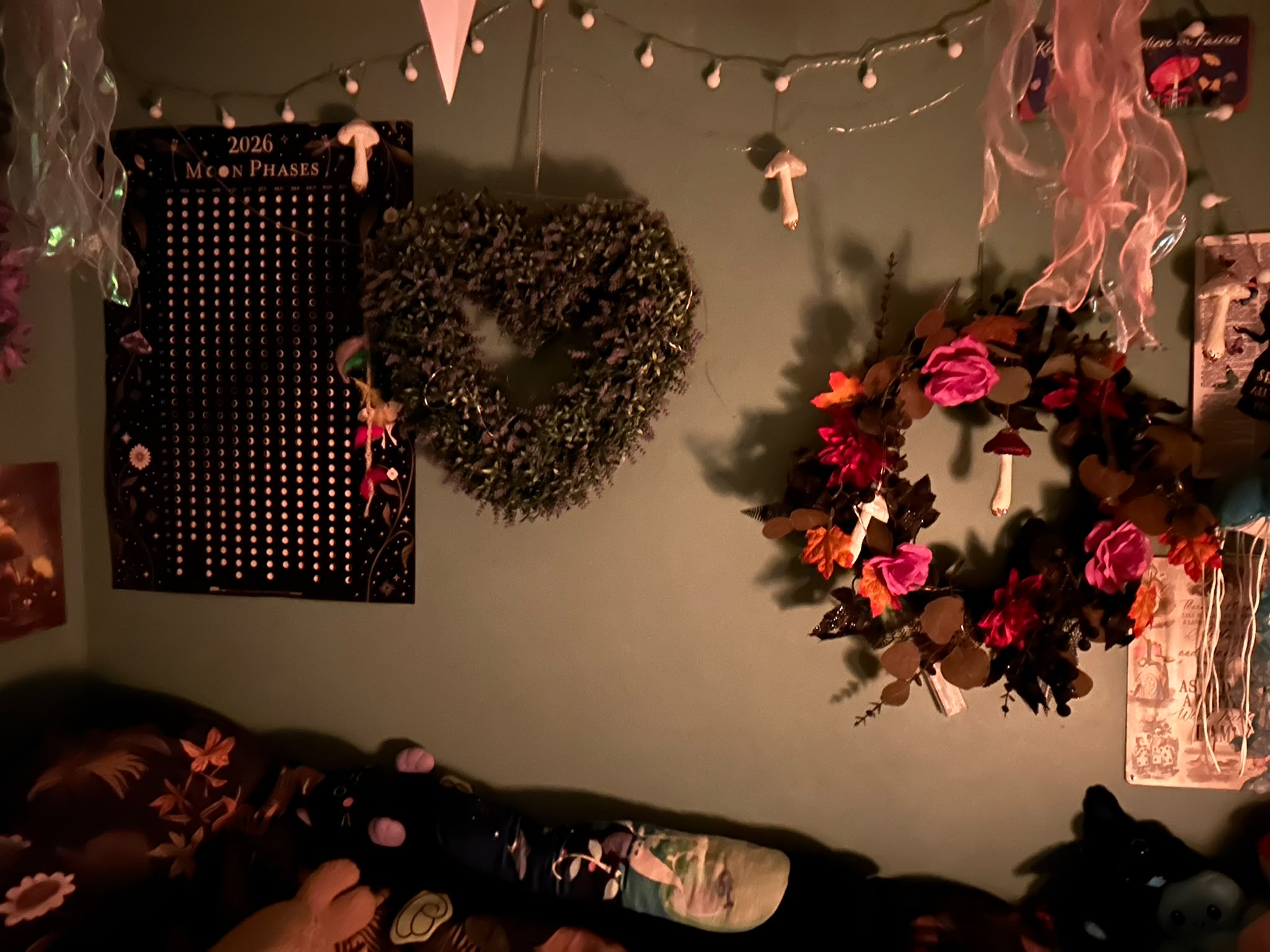
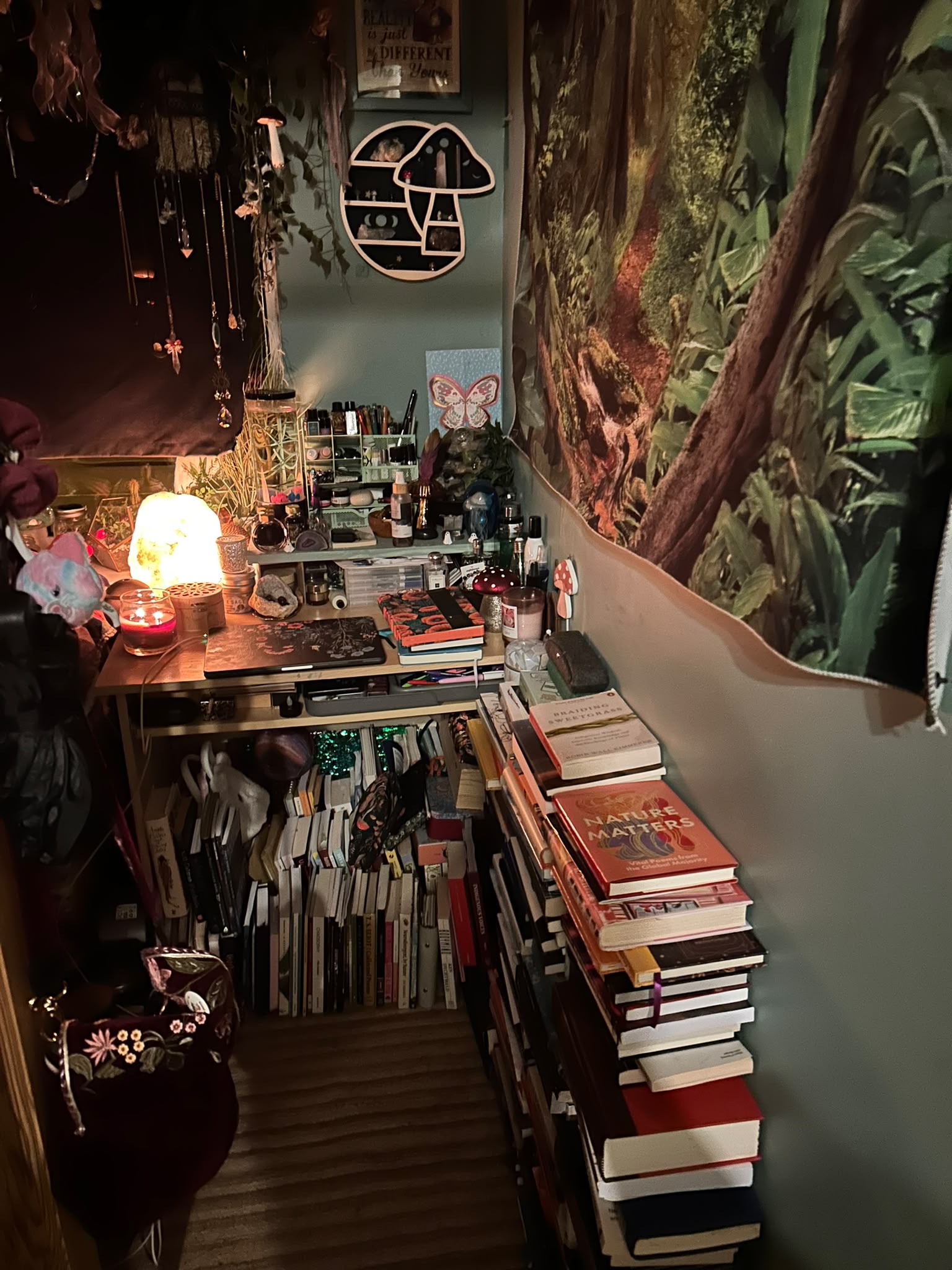
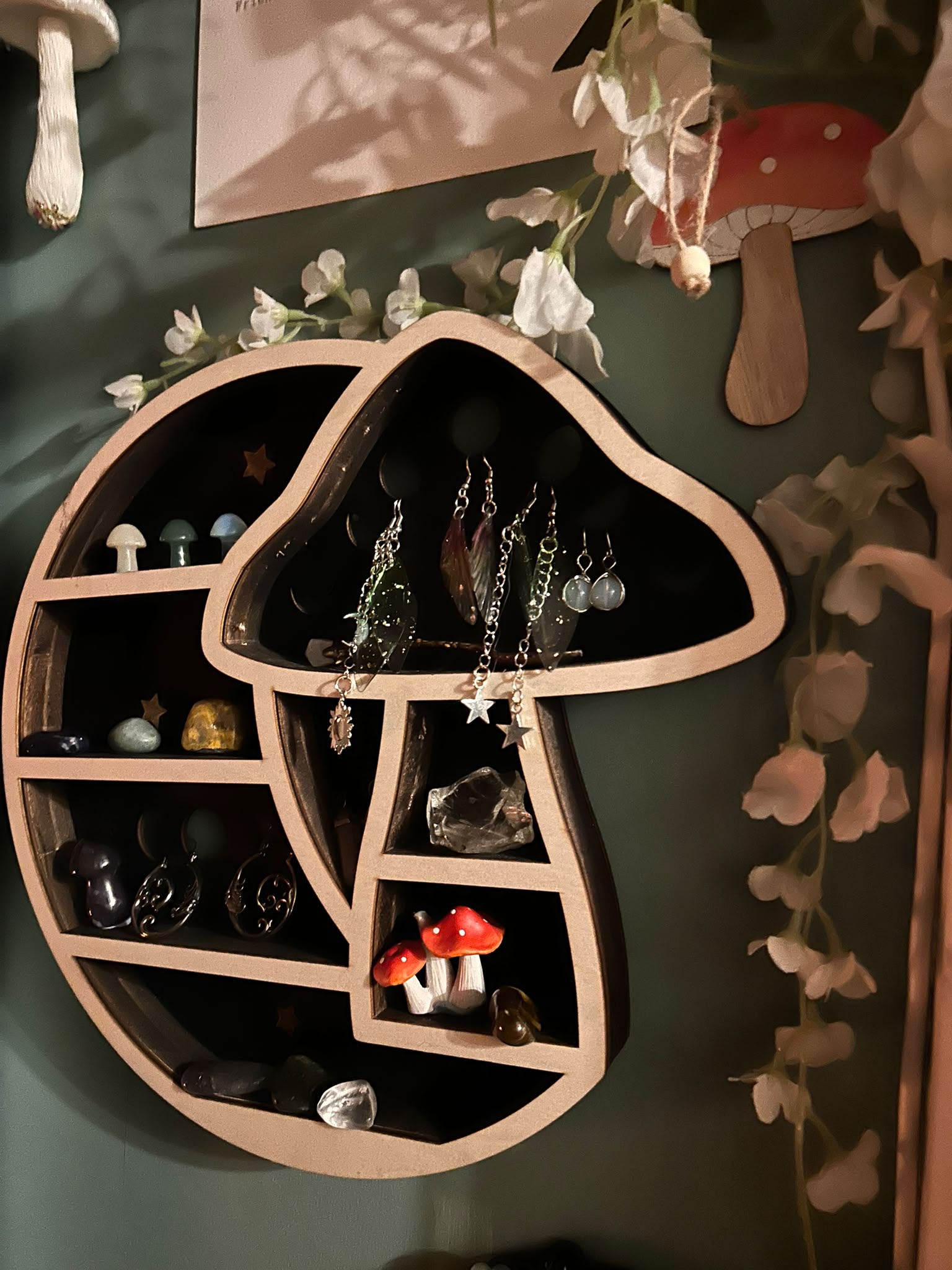
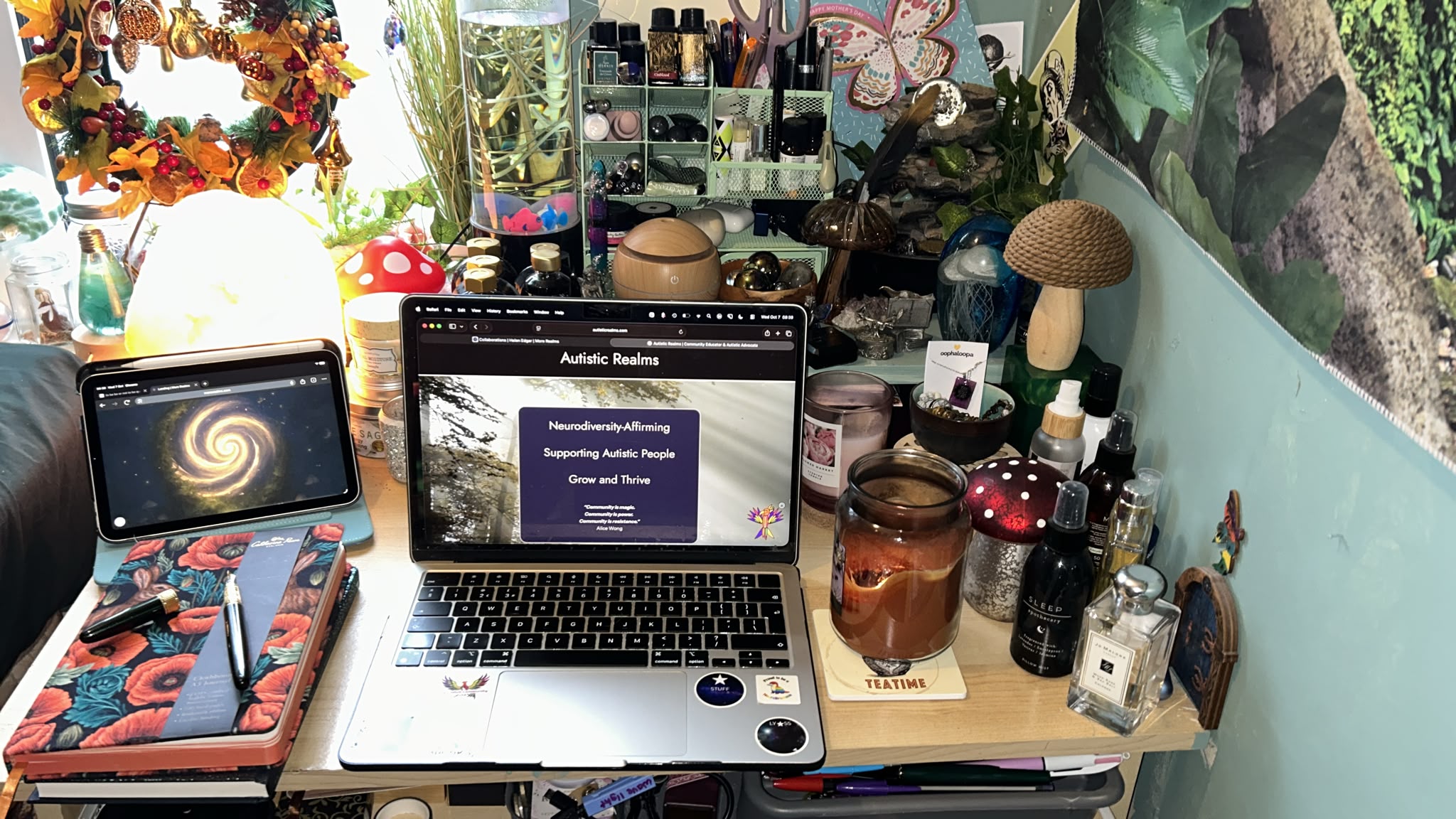
When I’m not tucked away in my den, I like exploring the woodlands behind my home with my children and our very large, very fluffy Golden Doodle, Benji, taking lots of photos of mushrooms along the way. I have a deep love of water, from the sea to rivers and streams. I live with my husband, children, four cats and Benji.
🍄 mushroom photography · 📚 reading · 🌊 water and rivers · 🔮 crystals · 🧚 faery things · 🌲 woodlands
explore my work
- publications
- essays and blogs
- talks and presentations
- signposting: people and places that have shaped my thinking
- ORCID: 0009-0006-5356-1233
If you would like to work together, please get in touch.
references
Murray, D., Lesser, M., & Lawson, W. (2005). Attention, monotropism and the diagnostic criteria for autism. Autism, 9(2), 139–156. https://doi.org/10.1177/1362361305051398
Walker, N. (2021). Neuroqueer heresies: Notes on the neurodiversity paradigm, autistic empowerment, and postnormal possibilities. Autonomous Press.