What would it mean to build a hearth that welcomes not only diverse minds, but diverse ways of sensing, relating, and becoming across human and more-than-human lives?
This blog emerged from a conversation with Stimpunks during our Neuroqueer Learning Spaces project planning, where we explored what it truly means to create spaces that sustain neurodivergent people, rather than simply include. We found ourselves returning to the image of the hearth, the Cavendish Campfire, a warm, relational centre where ethodivergence is held, honoured, and co-regulated. This piece reflects on ethodivergent hearth building as a neuroqueer practice of community care and more-than-human kinship.
Ethodivergence speaks to the richness of relational, sensory, and affective difference. It’s about how we move, connect, feel, and attend, how our rhythms and responses don’t always align with dominant norms. Drawing from Ombre Tarragnat’s (2025) concept of ethodiversity, this expands neurodiversity beyond the human brain into relational ecology, honouring the full range of our inter-being ways with the world across all species of living and non-living things.
More-than-human refers to the interconnected ecology of life that includes not just humans but also animals, plants, weather systems, seasons, fungi, rivers, stones, moon cycles, and sensory environments. It’s a way of recognising that our ways of being, knowing, and healing are shaped by more than just other humans and that these entanglements are vital, not peripheral.
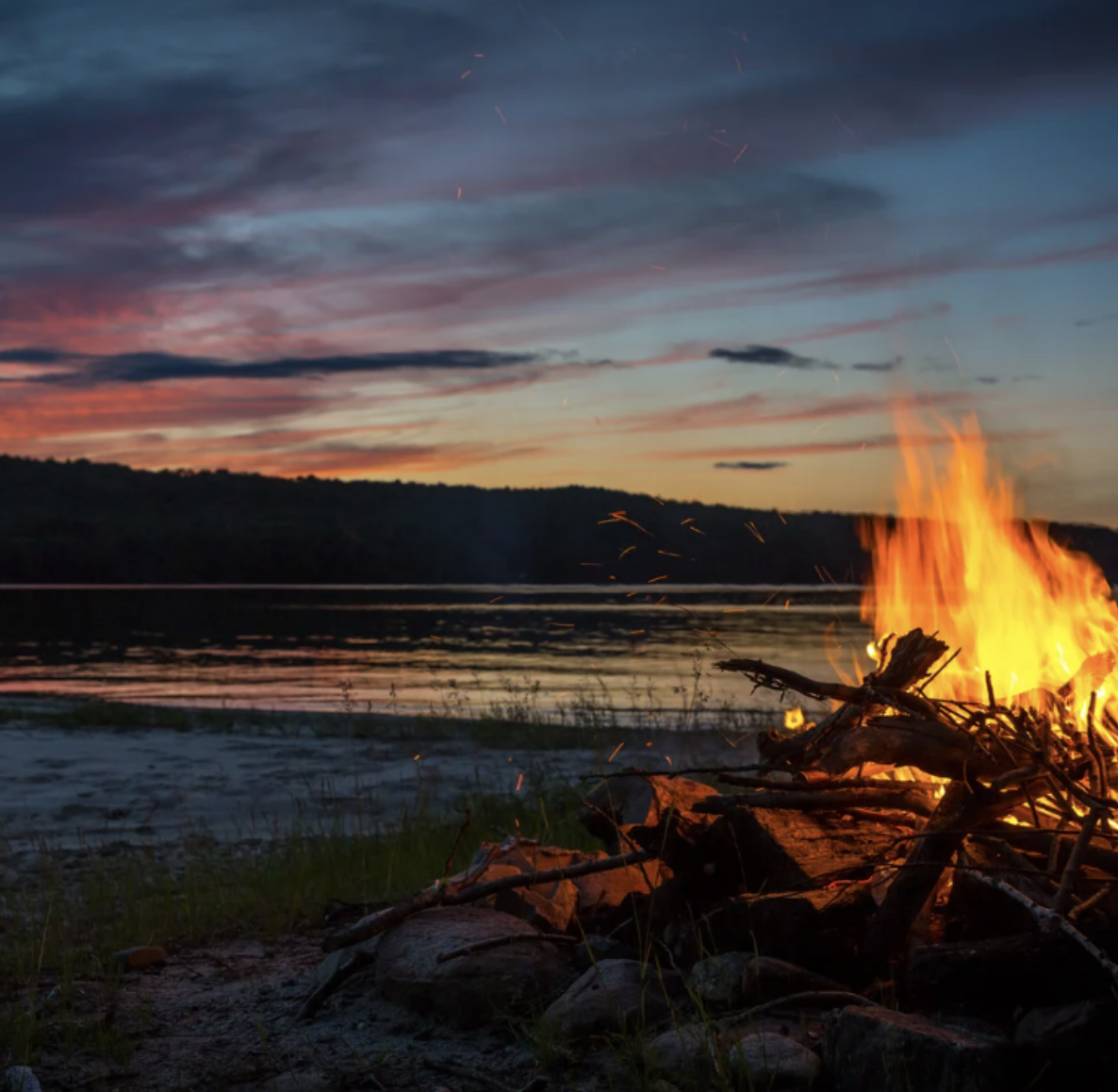
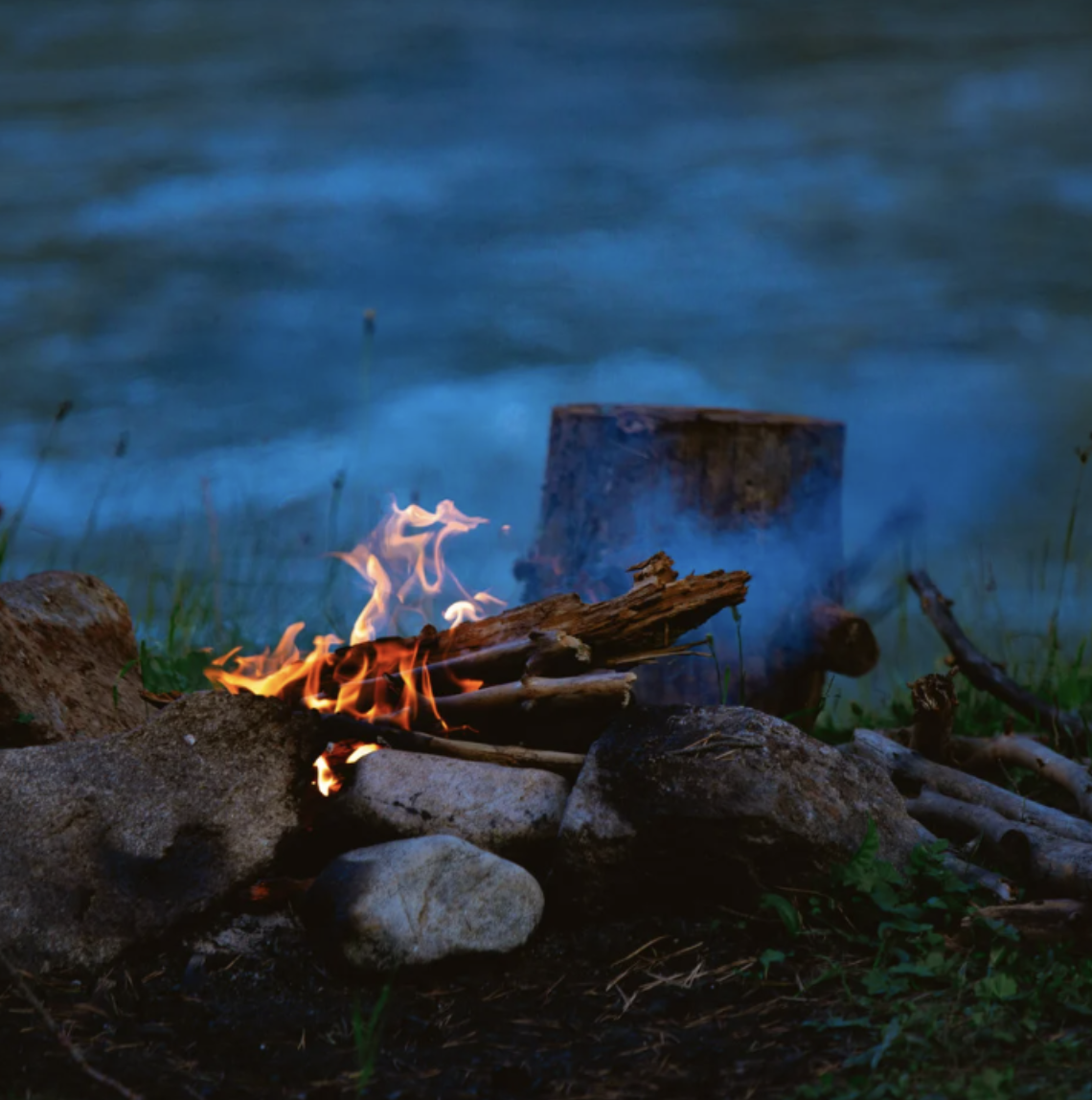
The hearth is a warm centre, a gathering space, a site of return and regeneration. It holds history, presence, and possibility, it’s where people tend the fire together, share stories, and learn from one another, a rhythm of shared becoming. To build ethodivergent hearths is to make room for new forms of kinship, ones that honour slow attunement, deep presence, and non-normative ways of sensing, being, and knowing. It’s an invitation to live otherwise, interdependently, in communities shaped not by conformity but by relational integrity and care.
Beyond its physical form, the hearth also holds sensory and emotional resonance, it is a centre, part of the basecamp, that may not be an actual campfire fire or a room, but a feeling. Sometimes it lives in the softness of our favourite weighted blanket, the texture of moss under our fingertips, the familiar paths we may return to in the woods or our local park, the stillness shared with our chosen family and pets. In ethodivergent hearth building, these sensory and relational centres become vital anchors, places to return to without performance, where our difference is held with warmth rather than shame or stigma.
Cavendish Spaces and ethodivergent hearths are built slowly, relationally, through co-regulation, sensory consideration, and access intimacy. There is room for fallow rest time, stim time, quiet time, time that bends to our bodyminds rather than our bodyminds being twisted into neuronormative time constraints that lead us into burnout and mental ill health. These are spaces that reject extraction and standardisation and instead, they welcome divergence and difference through shared rhythms, bodily autonomy, and relational consent, psychological and sensory safety. Cavendish spaces are like ethodivergent hearths for the soul where people gather not to fix or scrutinise, but to sit alongside, validate, and co-exist.
To think about and create ethodivergent hearths is to imagine what it means to design for difference, to centre care and safety for those of us often left out in the cold, on the edges and in the liminal spaces. It’s about making space for monotropic attention, sensory flow, and nonlinear emotional rhythms. It’s about pacing together through co-regulation, glimmers, multi-modal ways of communicating and attuned silence. It’s about giving permission for slow grief, spiralling joy, or messy recovery.
Ethodivergent hearth building means:
- Not centring only human and normative ways of relating and knowing.
- Honouring sensory, affective, and relational exchanges between people and natural or material environments.
- Acknowledging that Autistic, disabled, and neurodivergent people often form deep attunements with non-human kin, sometimes more sustaining than traditional social models.
It might look like mutual aid networks, or shared rest practices, it might mean building more flexible time-structures that go beyond our clocks. This kind of hearth holds our queertime, our difference, our interdependence, without trying to fix, mask, explain, or justify. It’s a way of living gently with difference, and tending the fire that can help sustain us.
Ethodivergent hearth building invites a shift from thinking of community as exclusively human, towards something more ecological, embodied, and expansive, a shared hearth where difference is relational, and care ripples outward beyond species boundaries. Ethodivergent hearth building is a neuroqueer practice of relational community rooted in presence, divergence, and shared becoming where everyone can thrive.